
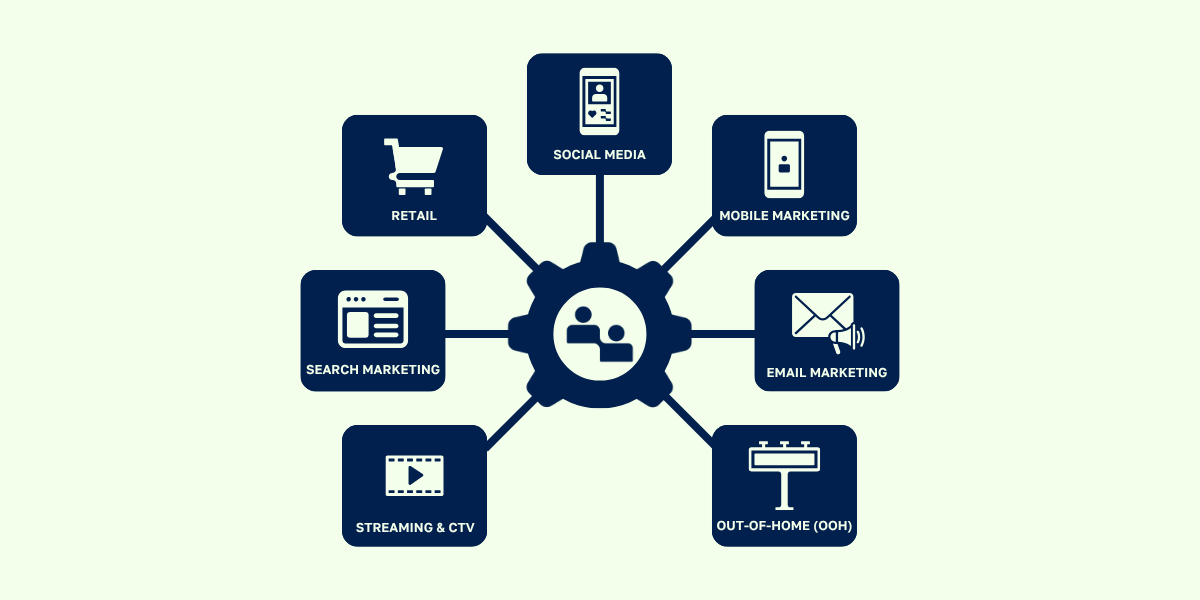
Omnichannel advertising allows brands to deliver consistent, connected experiences across every consumer touchpoint, from digital channels like mobile and social to real-world environments like digital out-of-home (DOOH).
Consumers no longer follow a linear path to purchase. They move fluidly between digital and physical environments throughout the day. Omnichannel strategies connect these touchpoints, and DOOH plays a critical role by linking real-world interactions with digital engagement.
As programmatic technology evolves, DOOH has become a key channel within omnichannel media, helping marketers create more cohesive and effective campaigns.
In this blog, we’ll cover five key tips for integrating DOOH into your omnichannel advertising strategy.
What is omnichannel advertising?
Omnichannel advertising is a strategy that delivers a unified brand experience across multiple channels, ensuring messaging, targeting and measurement are consistent at every stage of the customer journey.
Unlike multichannel approaches, which treat each channel separately, omnichannel strategies connect touchpoints — such as mobile, social, connected TV and DOOH — into a single, cohesive experience.
By incorporating DOOH into an omnichannel media mix, brands can extend digital campaigns in real-world environments, reinforcing messaging and increasing overall campaign impact.
Why include DOOH in an omnichannel strategy?
DOOH plays a distinct role in omnichannel campaigns by bringing digital targeting and measurement into high-impact, real-world environments.
When integrated effectively, DOOH can:
-
Extend reach beyond traditional digital channels
-
Reinforce messaging across the customer journey
-
Drive both brand awareness and performance outcomes
The following tips outline how marketers can successfully incorporate DOOH into their broader omnichannel strategies.
5 tips for building an omnichannel campaign
#1: Streamline creative messaging across channels
Ensure brand messaging on DOOH complements that in other channels such as TV, mobile and social media. Deploying a consistent message and tone across channels allows DOOH to act as a real-world continuation of online campaigns and enables brands to connect with consumers on multiple levels, delivering deeper engagement and amplifying the impact of other media. DOOH captures attention in high-impact, real-world environments, making it a powerful extension of digital creative when messaging is aligned across channels.
#2: Use consistent audience targeting across channels
By leveraging behavioral, household, and first/third-party data, marketers can seamlessly extend their online audience targeting strategies to DOOH through programmatic technology. This enables brands to deliver a consistent message to the same audience across all points of interaction in both the online and offline worlds.

#3: Retarget audiences with unified omnichannel messaging
Retargeting capabilities in DOOH offer advertisers an opportunity to identify consumers who have been exposed to their ads, re-engage with those who didn’t convert initially and then drive them to action. By retargeting audiences that have already seen their marketing messages, brands can reinforce messaging across the customer journey and dramatically boost the effectiveness of other advertising channels, like mobile, display, connected TV, social media, streaming audio and more. Connecting DOOH exposure to mobile devices allows marketers to retarget audiences across digital channels, ensuring DOOH impressions are not one-time exposures but part of a continuous brand experience.
#4: Integrate DOOH into your programmatic advertising strategy
Several omnichannel DSPs are leaning into DOOH due to rising client demand and the channel’s massive growth in recent years. Marketers can now access and buy DOOH through an omnichannel DSP if desired, allowing DOOH to be managed alongside other programmatic channels. While accessing DOOH through an omnichannel DSP offers convenience, some advanced capabilities may be limited compared to dedicated DOOH platforms. Specialized DOOH DSPs can provide greater control over inventory, along with planning and measurement tools built specifically for the channel, helping marketers get more out of their campaigns.
#5: Measure omnichannel campaign performance effectively
The benefits of DOOH advertising in the marketing mix can be understood more fully through analytics tools that track its impact. By leveraging the robust measurement solutions available today in DOOH, advertisers can measure results such as brand health, incremental foot traffic, online conversion and sales lift that match the KPIs found elsewhere in the omnichannel mix. These measurement capabilities provide marketers with clear insight into how their DOOH ads are impacting the upper- or lower-funnel metrics that matter the most and thus how they can use programmatic OOH to complement the other channels in their media mix. Modern DOOH measurement solutions allow marketers to track outcomes such as brand lift, foot traffic and conversions, bringing the same level of accountability expected from other digital channels.
Example: omnichannel campaign using DOOH
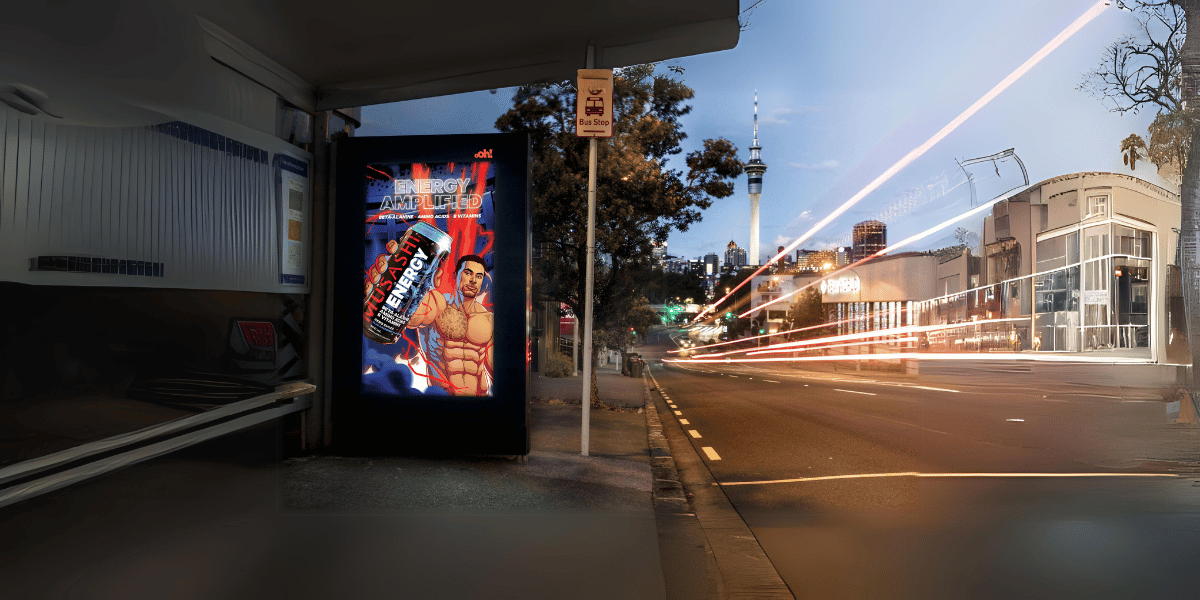
A sports nutrition brand, Musashi, used DOOH as part of a broader omnichannel strategy to reach consumers throughout their daily routines and reinforce messaging across channels.
The campaign combined DOOH placements with audience targeting and retargeting across social and display, creating a coordinated cross-channel experience.
After exposure to DOOH ads in real-world environments, users were retargeted across digital channels, guiding them further down the funnel and increasing engagement.
As a result, the campaign delivered:
-
+26% lift in sales month-over-month
-
Over 40,000 unique device IDs captured
-
More than 2x higher engagement on social from exposed audiences
-
+33% lift in engagement from lookalike audiences
This demonstrates how DOOH can strengthen an omnichannel advertising strategy by connecting physical and digital touchpoints to drive measurable results.
Conclusion
Incorporating DOOH into an omnichannel advertising strategy allows brands to create more consistent and effective campaigns across both digital and physical environments.
By aligning messaging, targeting and measurement across channels, marketers can improve performance and deliver more meaningful consumer experiences.
As omnichannel strategies continue to evolve, DOOH remains a key component in bridging online and offline engagement.
Ready to integrate DOOH into your omnichannel strategy? Check out Omnichannel reimagined: The real world's role in modern media.

%20(1).png)